An Exploration of Red Shiso
August 6, 2026
Shiso, a close relation to the mint family, has a mildly astringent, faintly bitter, and distinct herbal flavor. While it’s native to the mountainous region of South Asia, it is used in culinary practices all over Asia. It’s also known as perilla, beefsteak plant, Japanese basil, and wild sesame. Some folks say they find the flavor profile similar to basil or mint, but I believe it has its own flavor profile entirely. I find the flavor to be particularly pleasant and much milder than some bitters and drinks like chinotto.
It is high in omega-3 fatty acids, an antioxidant, anti-inflammatory, and a digestive aid that helps with morning sickness, general nausea and processing rich and fatty foods. In Chinese medicine, it is said to be a spleen and lung tonic. It’s good to take during the onset of a cold as it releases “wind cold” and helps disperse phlegm and stagnant qi. It is also said to help “calm the mind”.
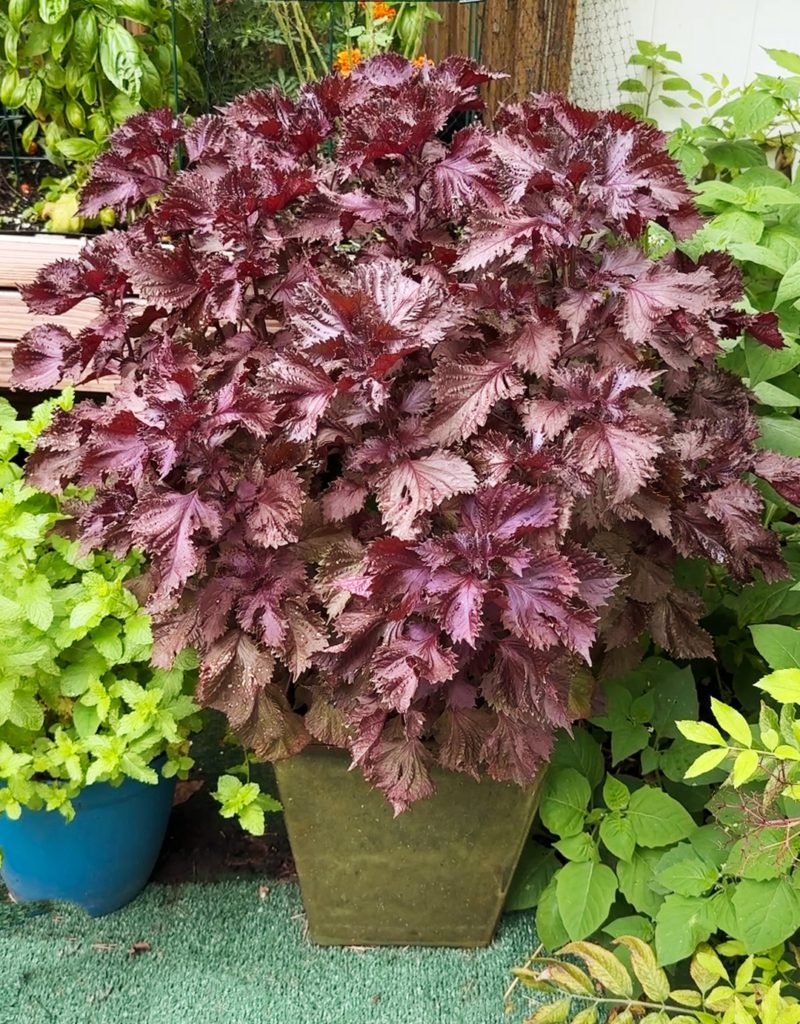
I planted my first red shiso start in my potted herb garden last year. It grew into a voluptuous dark scarlet cascade of rippled and jagged leaves, outgrowing and outshining the rest of my herbs (which were also growing beautifully btw). A perennial, shiso comes in green and red varieties and is a vigorous self-proliferator. I found little shiso starts all over my yard this year and gathered them up and added them back to my pot.
I have always loved the mild flavor and ting of color red shiso brings to pickled umeboshi plums, and I pick them out to snack on when I have a jar in my fridge. I also enjoy shiso in ssam or as an added garnish to bibimbap bowls. I serve shiso alongside bulgogi nights, or thinly sliced and added to rice bowls, stir-fries, and as a garnish. At the end of the season, I knew I hadn’t utilized this herb to its fullest potential.
Six Recipes Using Red Shiso
A few months ago, my friend Mieko and I were hanging out in the garden. She noticed my shiso plant, got excited, and told me ”You should make shiso syrup!” She is a fantastic and knowledgeable cook, so I knew that as soon as my plant was ready, I would take her up on her suggestion. That journey has brought me here. I wasn’t planning on writing six recipes, but I was having such a thrill delving into this ingredient and wanted to share that exploration with you while the season was upon us. Maybe it will inspire and elevate your home cooking, and you’ll love it as much as I do.
Shiso Tea
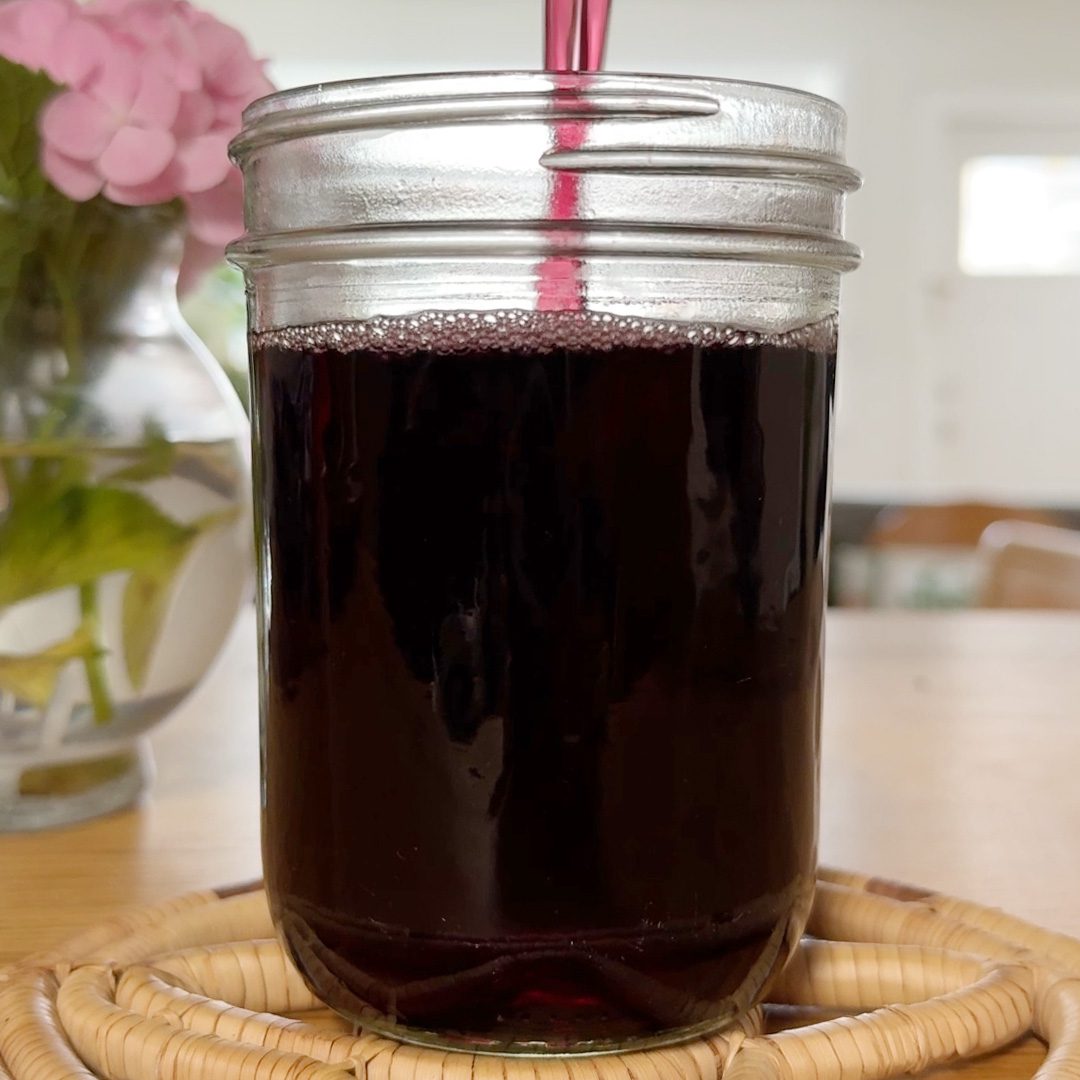
It begins with making red shiso tea. This can be served warm or cold, unsweetened or sweetened. The recipe makes about 4 cups, so it’s lovely to chill and have as a seasonal iced tea. Add lemon juice for a bit of added brightness, if that’s what your taste buds prefer.
This recipe calls for 8 cups of packed fresh red shiso leaves, around 150 grams (or 5.3 ounces). If you have one shiso plant, you have more than enough to make this recipe. However, if you do not have a plant, this can feel like a daunting amount. Check with your local farmers market or Asian grocery first, but if you cannot source it there, I found an online retailer that sells it by the bunch. I have estimated, considering they sell their bunches with stem weight, that you may need 2-3 of their 5.6oz bunches to get the correct amount of leaves for the recipe. While I wrote the recipes with fresh shiso in mind, they can also be made starting with dry leaves, and I have even seen powdered forms of it.
Shiso Syrup
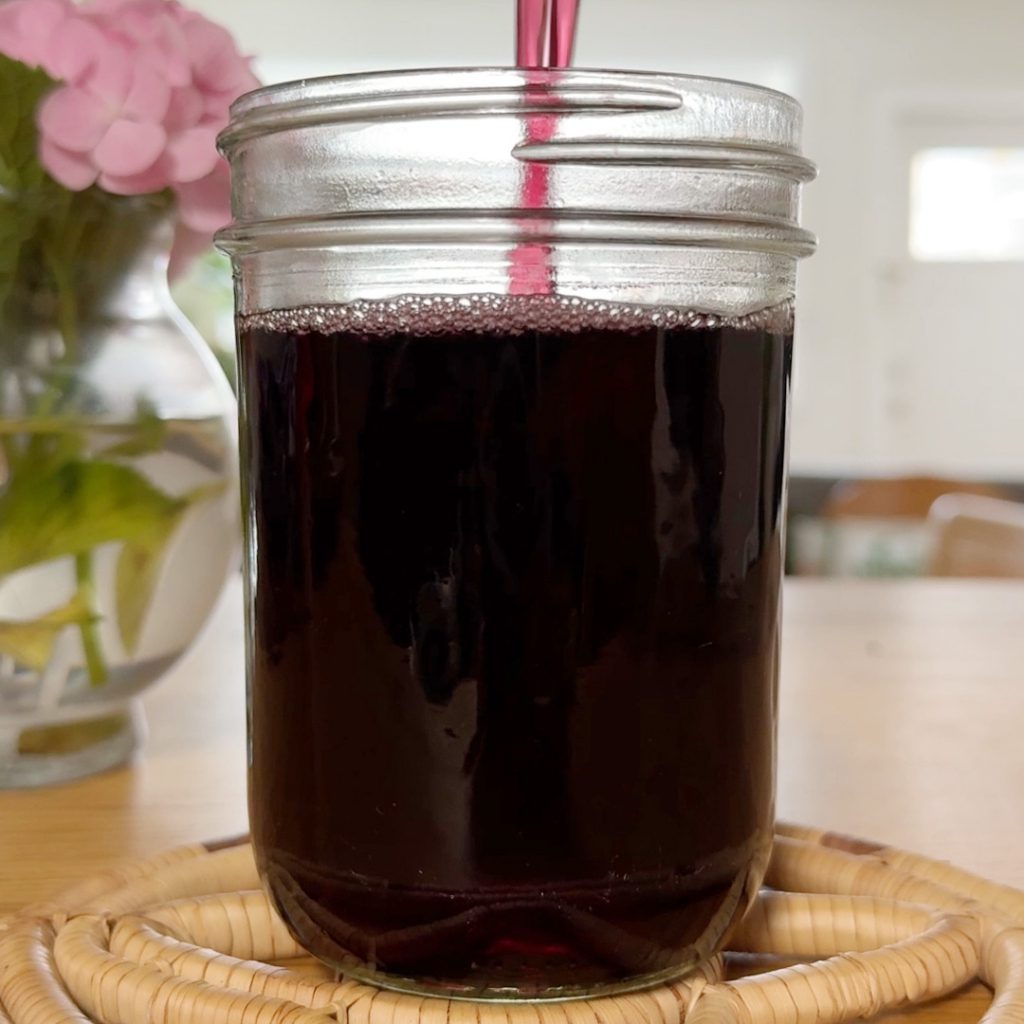
With the addition of sugar and some time to reduce, the tea can be turned into red shiso syrup. It’s common to add lemon juice to the final syrup; not only does it offer a balancing acidic lift to shiso’s herbal profile it also acts as a preservative to provide a slightly longer shelf life and transforms the red hue of the syrup into a deep, melted ruby elixir.
Try adding the syrup to soju or beer. The flavor profile is great for gin-based cocktails. Make a shiso spritz by adding a drizzle to sparkling wine. Processed food dyes are a mild allergy of mine and because of that I don’t typically order the Campari or Aperol spritz. I love red shiso syrup as a dye-free alternative to those ingredients. If you are processed food dye adverse or sensitive, this is a fantastic option.
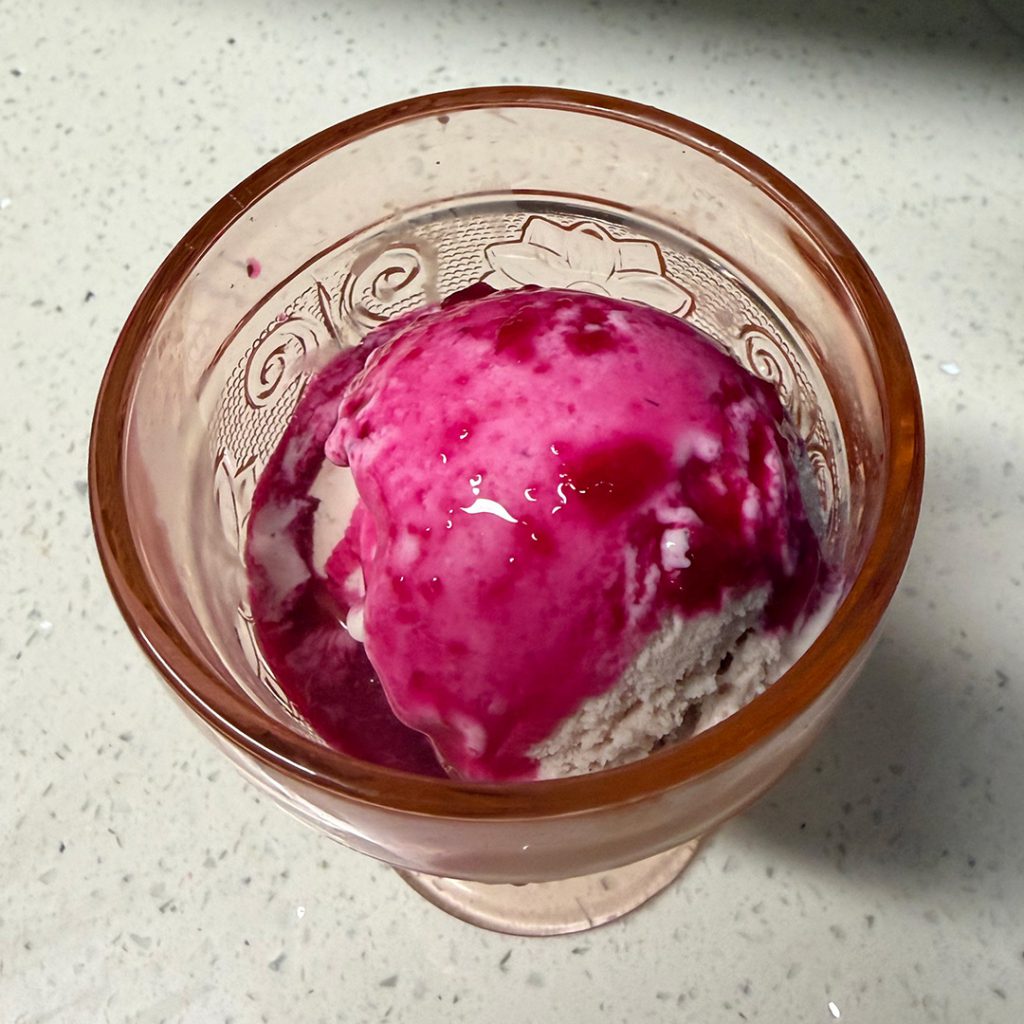
It is delicious on top of strawberry or vanilla ice cream. Use it to infuse a little flavor and a lot of color into cream cheese frosting or pastry cream or soak a sponge cake in the syrup. I have not tried this but I’d be curious to see how it bakes in a cake. I have also seen a version of the syrup made with vanilla, so adding a vanilla bean to this recipe may also be a fun way to riff if making it at home.
For those folks who want the shiso syrup without having to make it, you’re in luck! It’s a common ingredient in Japanese beverages and in specialty cocktail bars. As much as I would love for you to make my syrup recipe, more than that, I want you to enjoy this ingredient at whatever effort level that works for you. As Ina says, ”store-bought is fine.” There are pre-made versions of the syrup available online; use it and make some of the other recipes I created.
Shiso and Soda and Shiso and Ginger Ale
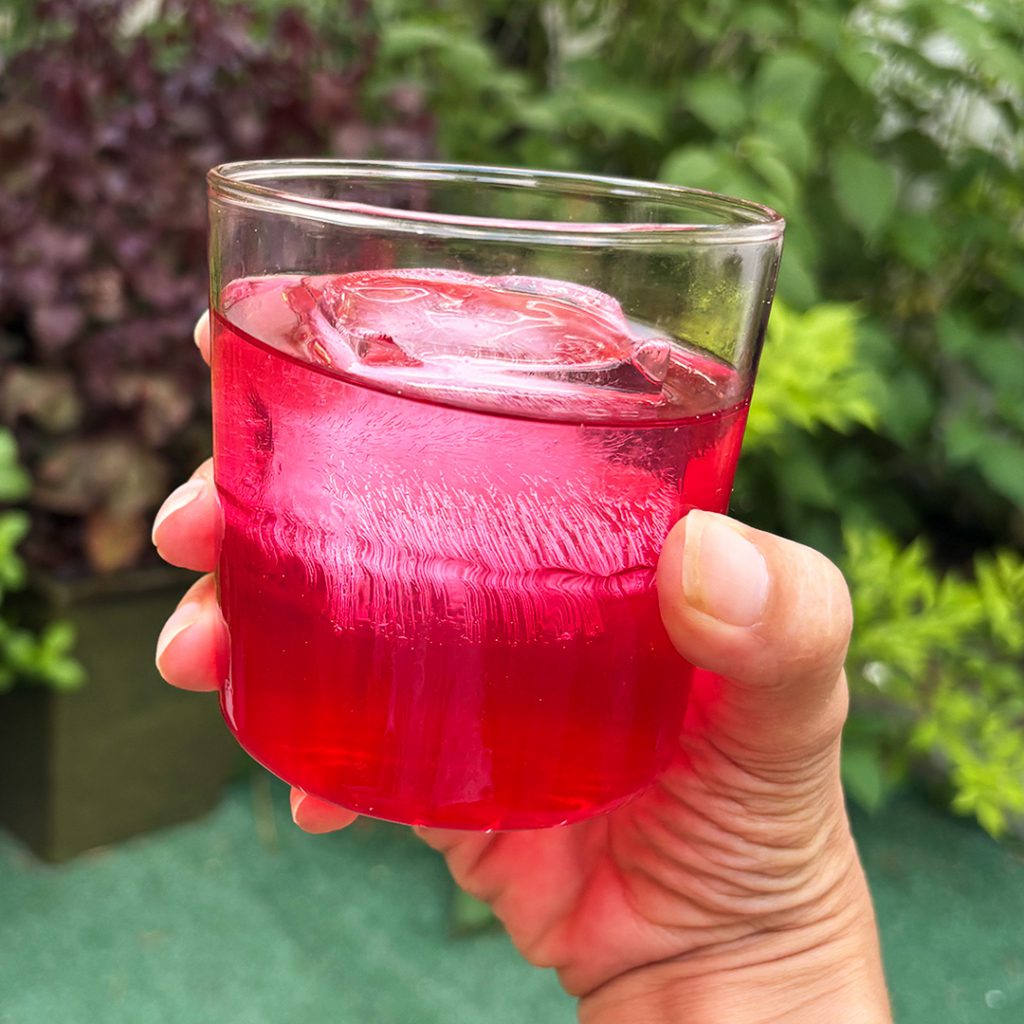
For those teetotalers or anyone looking for a crisp zero-roof beverages, try a non-alcoholic Shiso and Soda. I love the flavor of shiso syrup, and adding it to sparkling water gives your average summer refresher a bit more complexity. I also love how the flavor plays with and adds another dimension to ginger ale and ginger beer. Keep in mind that some ginger beer brands like Reed’s have a robust, snappy ginger flavor profile and may require a bit more syrup. Brands like Canada Dry are milder in ginger presence and will require less syrup.
Stone Fruit and Shiso Salad
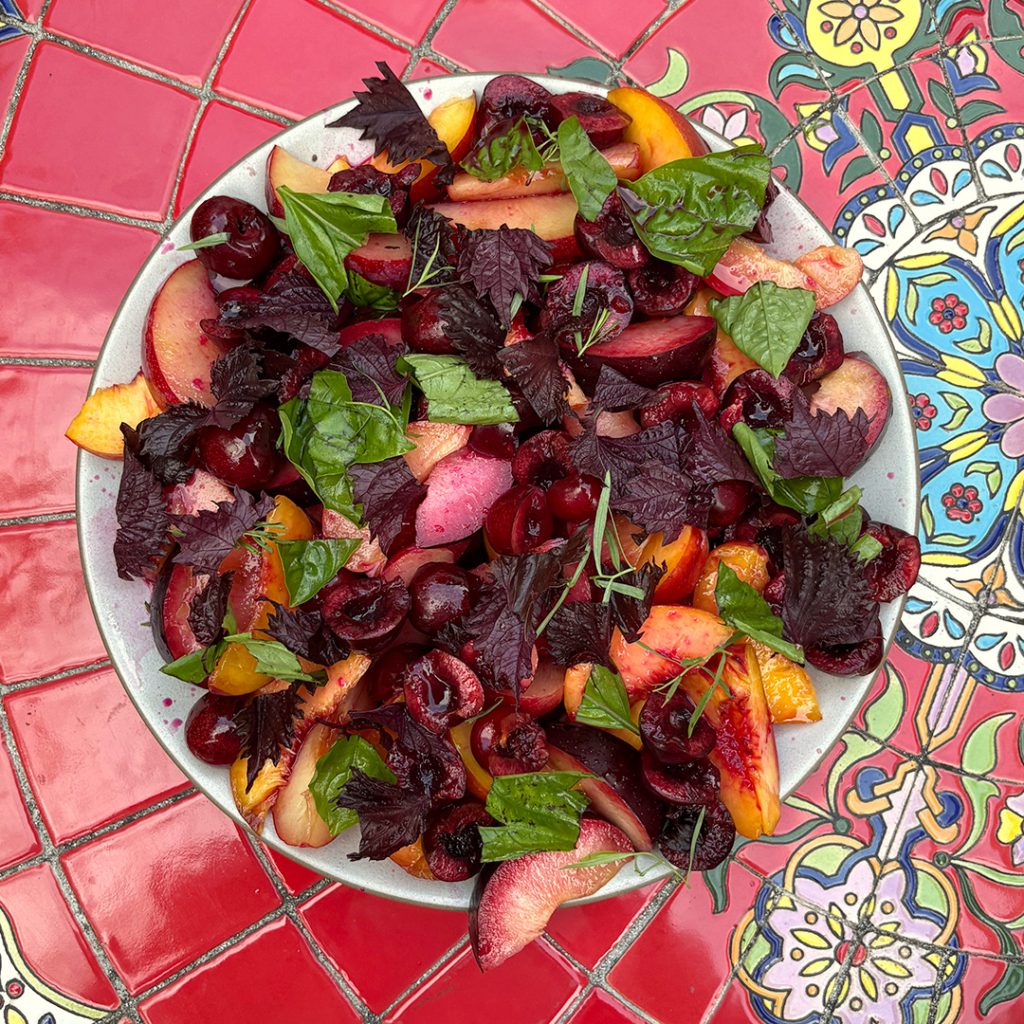
I took a cue from pickled umeboshi plums and gave shiso the fresh summer stone fruit treatment. Drizzle the shiso syrup over sliced plums, nectarines, and cherries and serve with torn herbs like tarragon, basil, chervil, or fresh shiso. You can also continue to elaborate this concept with a drizzle of olive oil or a pinch of flaky salt, or try a drizzle of tahini, or maybe give it the caprese treatment and use the syrup instead of balsamic. Serve it alongside grilled lamb or your favorite protein.
Stone Fruit and Shiso Cobbler
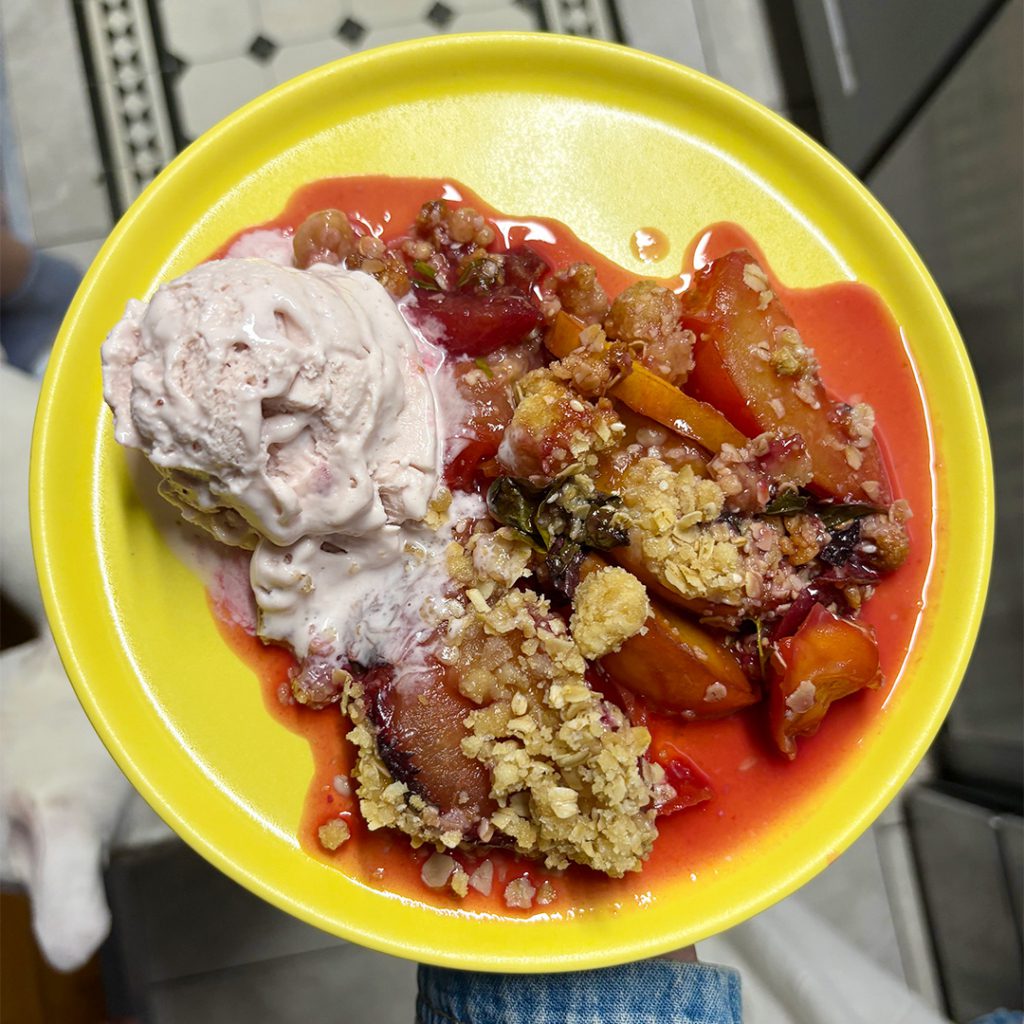
And finally, I add a simple streusel topping to sliced stone fruits baked in shiso syrup, offering an elegant flavor lift to a simple summer bake. Can be served warm, room temperature, or chilled. Ice cream is an option.